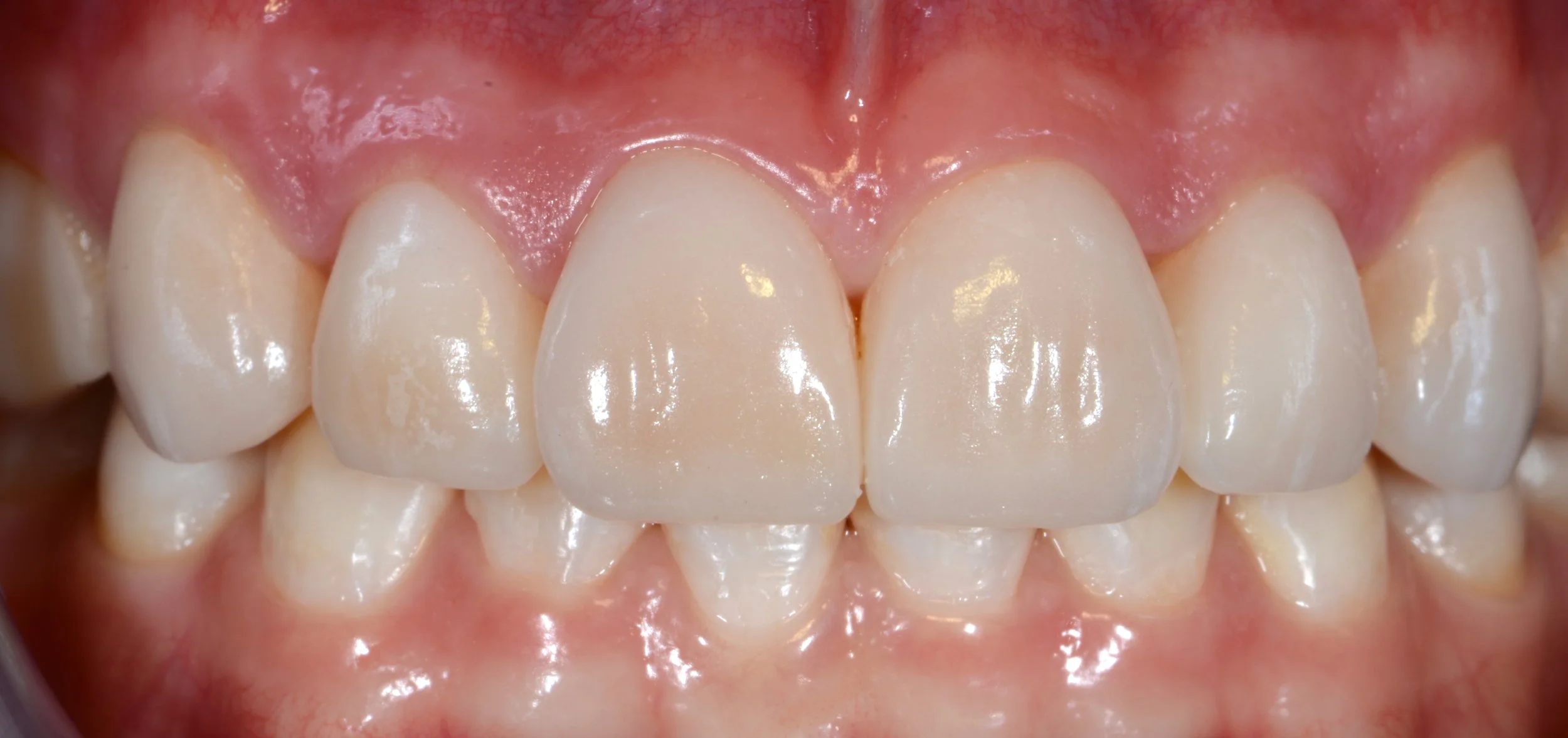
Crowns
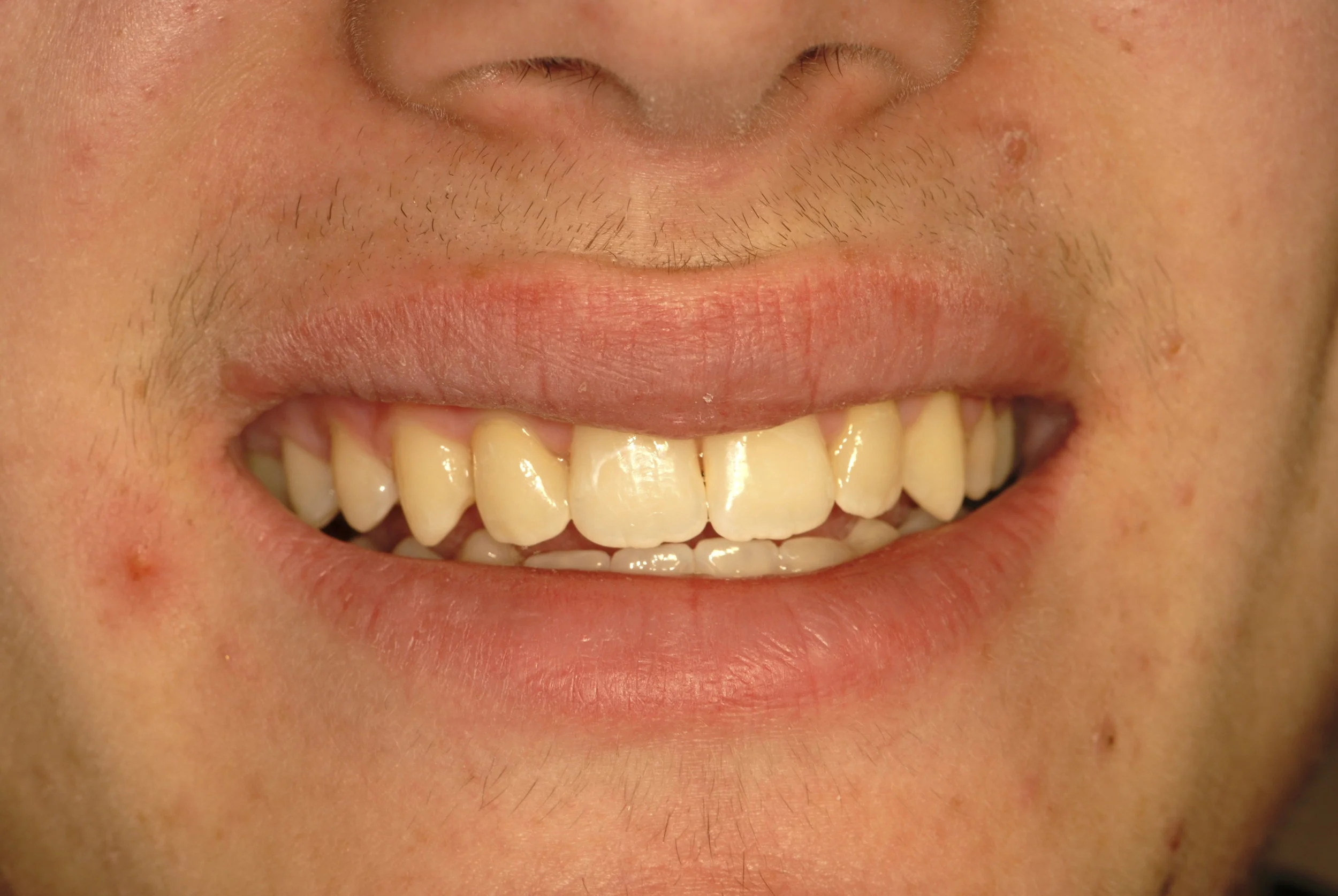
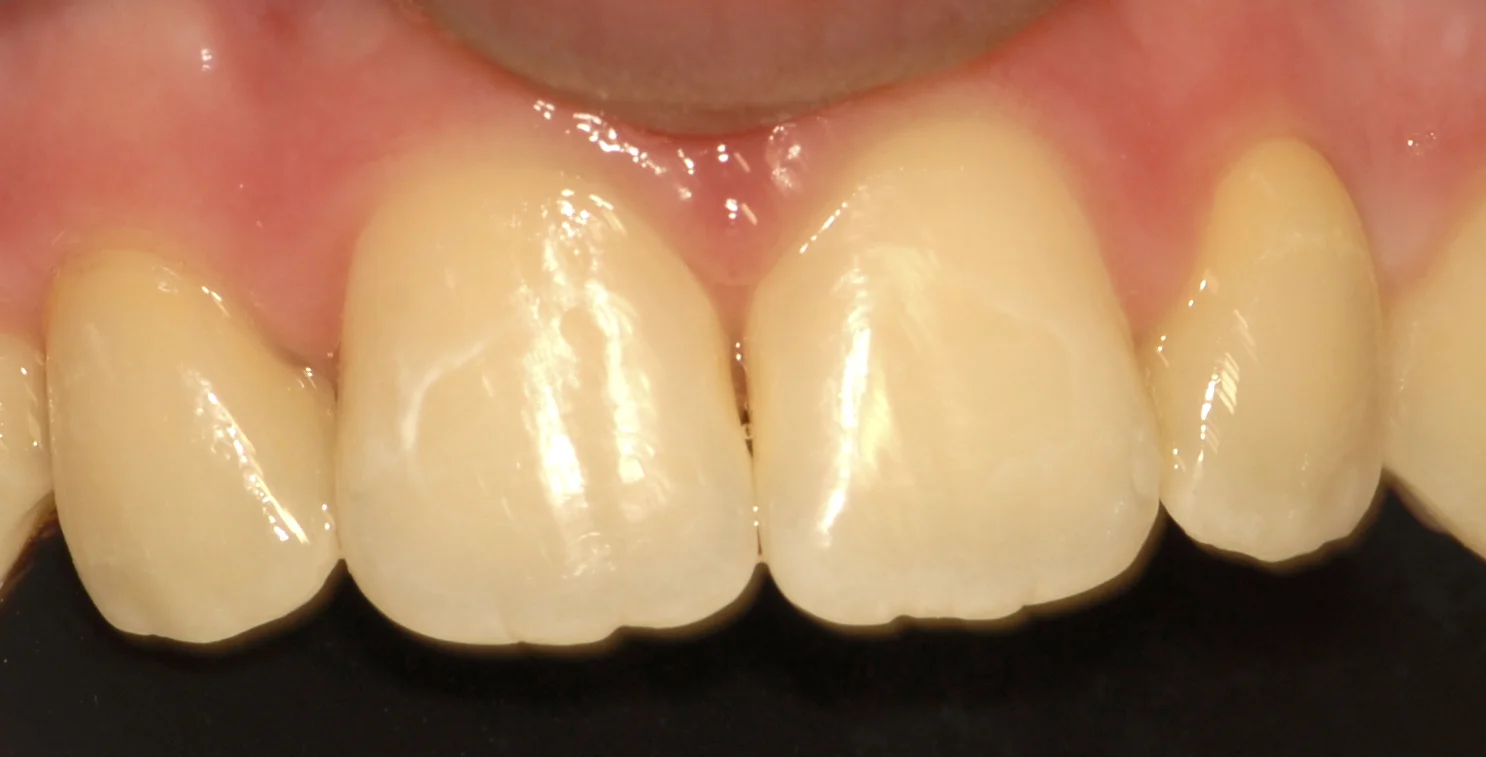
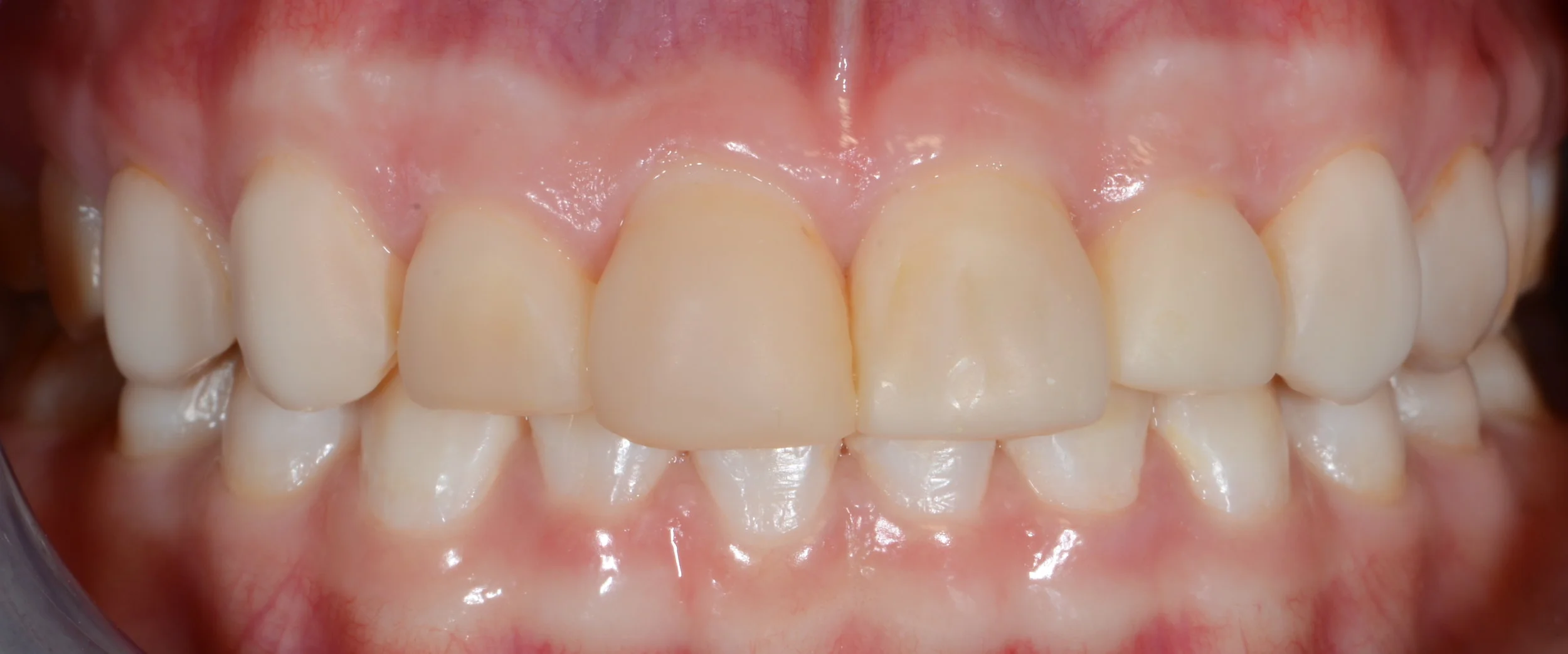
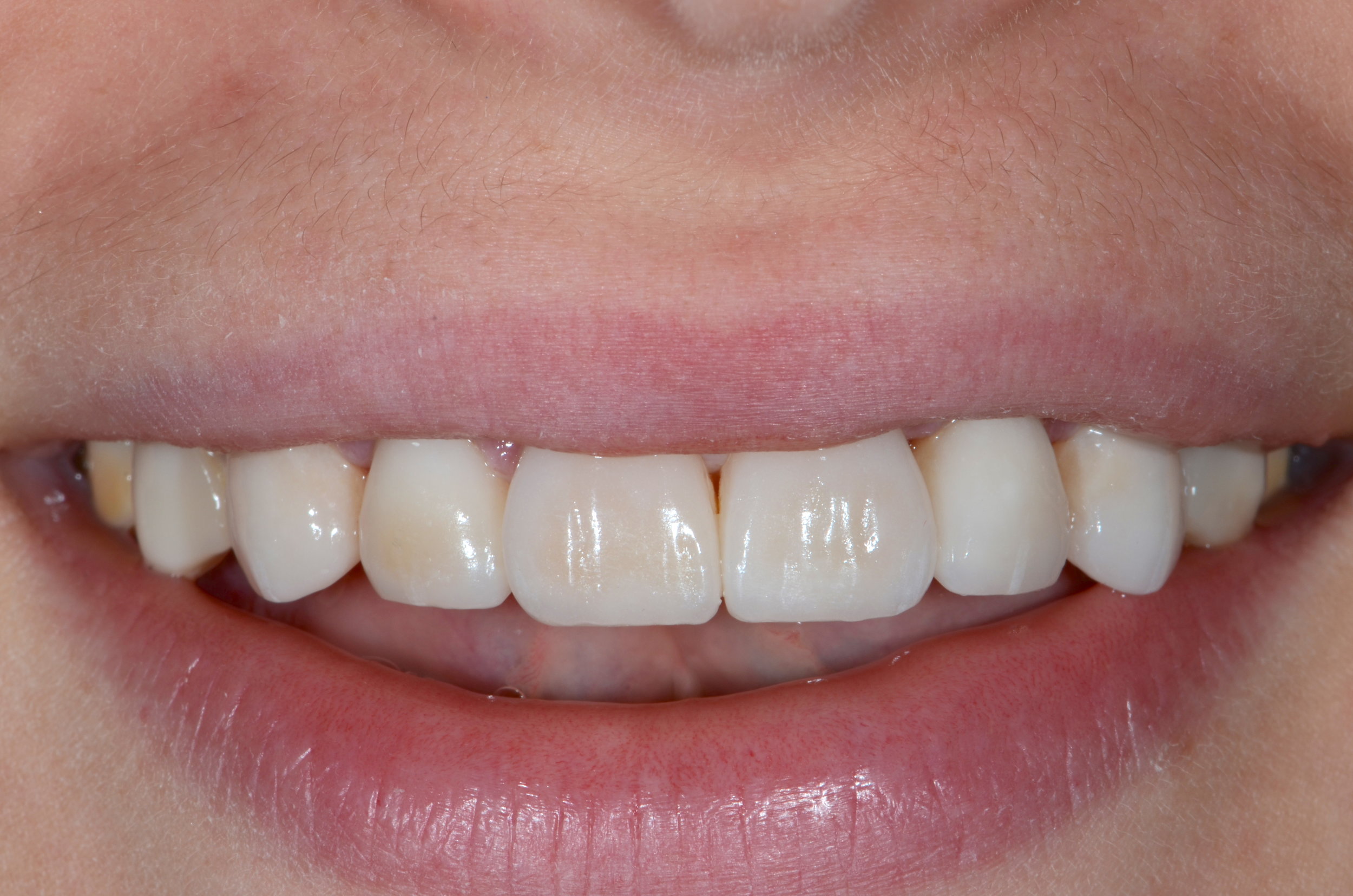
A dental crown is a custom-made cap that covers a damaged, weakened, or severely decayed tooth to restore its strength, shape, and appearance. Crowns are often recommended after large cavities, fractures, or root canal treatment to protect the remaining tooth structure.
The process typically involves a few visits. At the first appointment, the tooth is carefully prepared by removing any decay and shaping it to properly fit the crown, and a temporary crown is placed to protect it. At a second visit, detailed impressions are taken so your final crown can be precisely designed to match your bite and natural teeth. At the final appointment, the permanent crown is tried in, adjusted for comfort and fit, and then securely cemented in place, restoring both function and aesthetics.
Bridges
A dental bridge is a fixed restoration used to replace one or more missing teeth by “bridging” the gap between surrounding teeth or dental implants. All of your teeth play an important role in speaking, chewing, and maintaining proper alignment, so when a tooth is lost, replacing it is essential for both function and appearance. A bridge not only restores your smile but also supports your lips and cheeks, helping prevent a sunken or prematurely aged appearance. More importantly, it reduces strain on your remaining teeth and gums, lowering the risk of issues such as gum disease, bite problems, and speech difficulties that can result from missing teeth.
The process typically takes three to five visits. During the first appointment, the teeth on either side of the gap are carefully prepared, and temporary restorations are placed. At the second visit, impressions or digital scans are taken and sent to a dental lab where your custom bridge is created. At the third appointment, the metal substructure of the bridge is tried in, adjusted for proper fit and alignment, and then returned to the lab for a framework to be fabricated. At the fourth appointment the framework is tried in a shade is selected for porcelain. At the final appointment, the bridge is tried in and cemented.
Bridges can be made from a variety of materials, including porcelain, metal alloys, or a combination of both, allowing for a durable and natural-looking result.
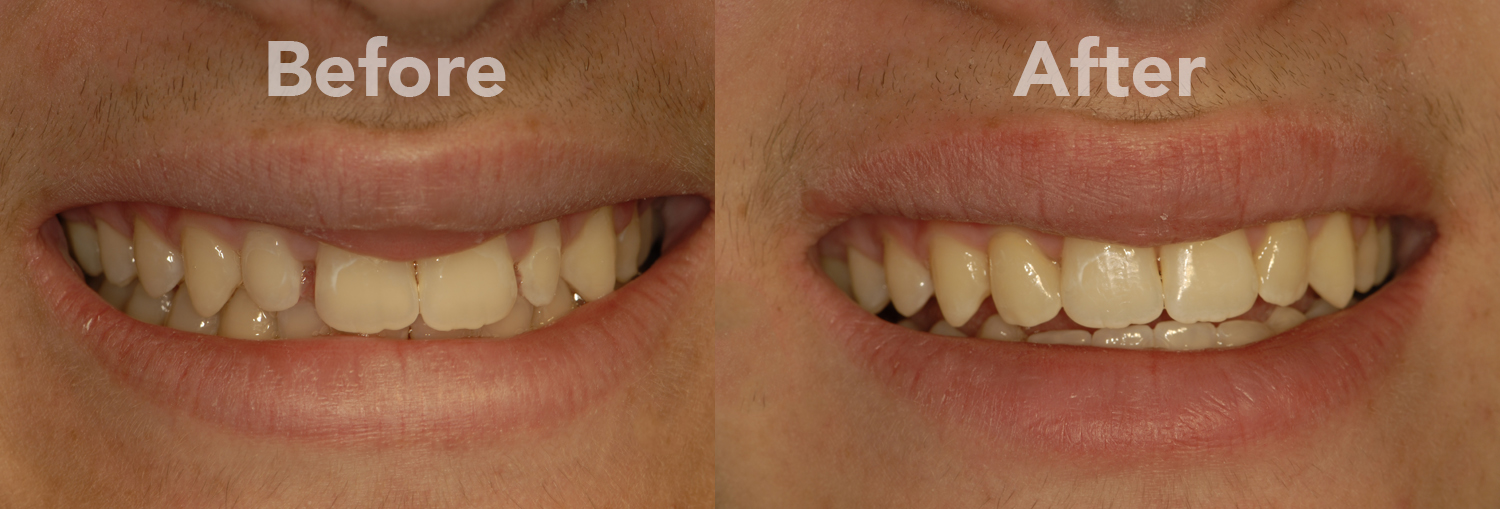
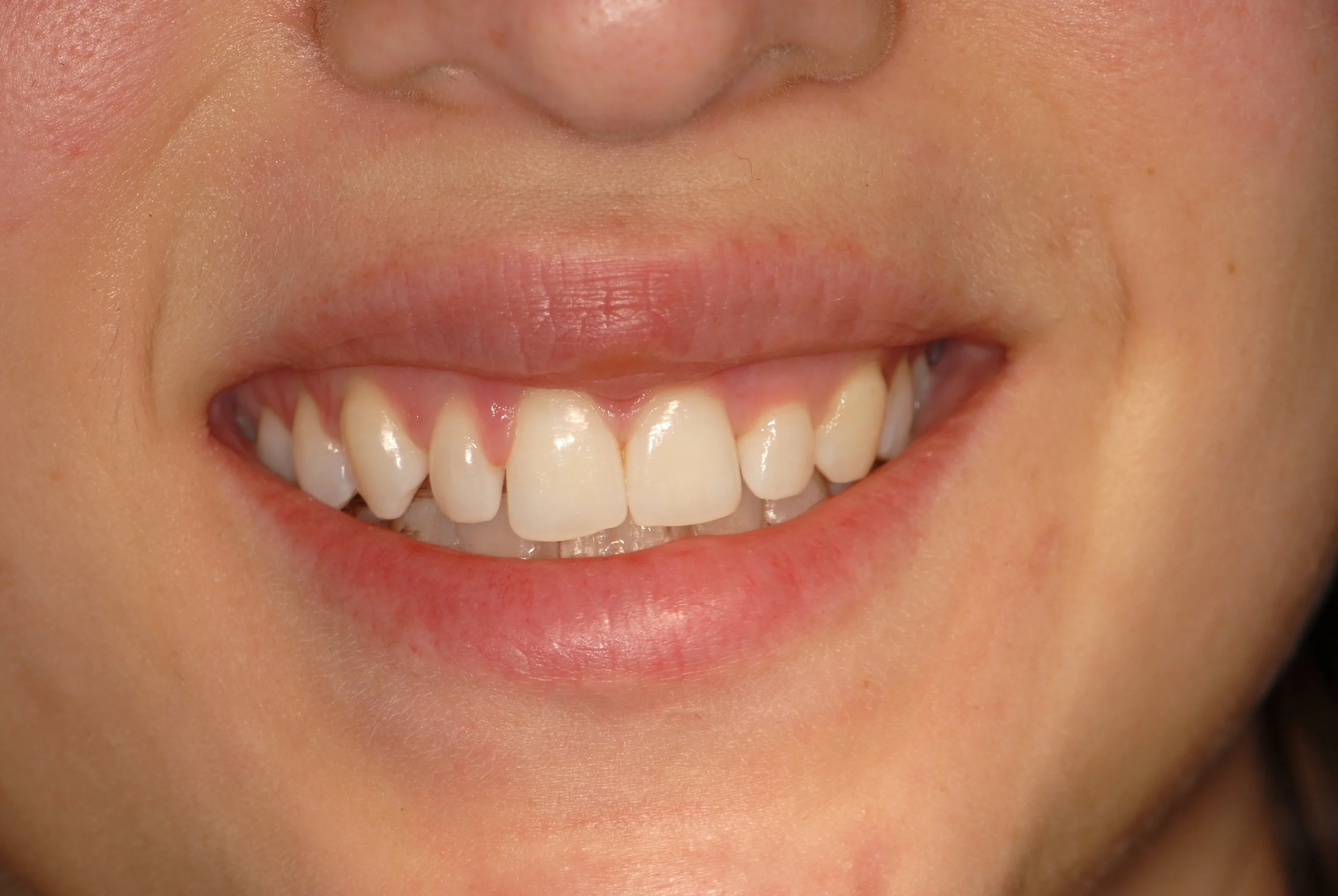
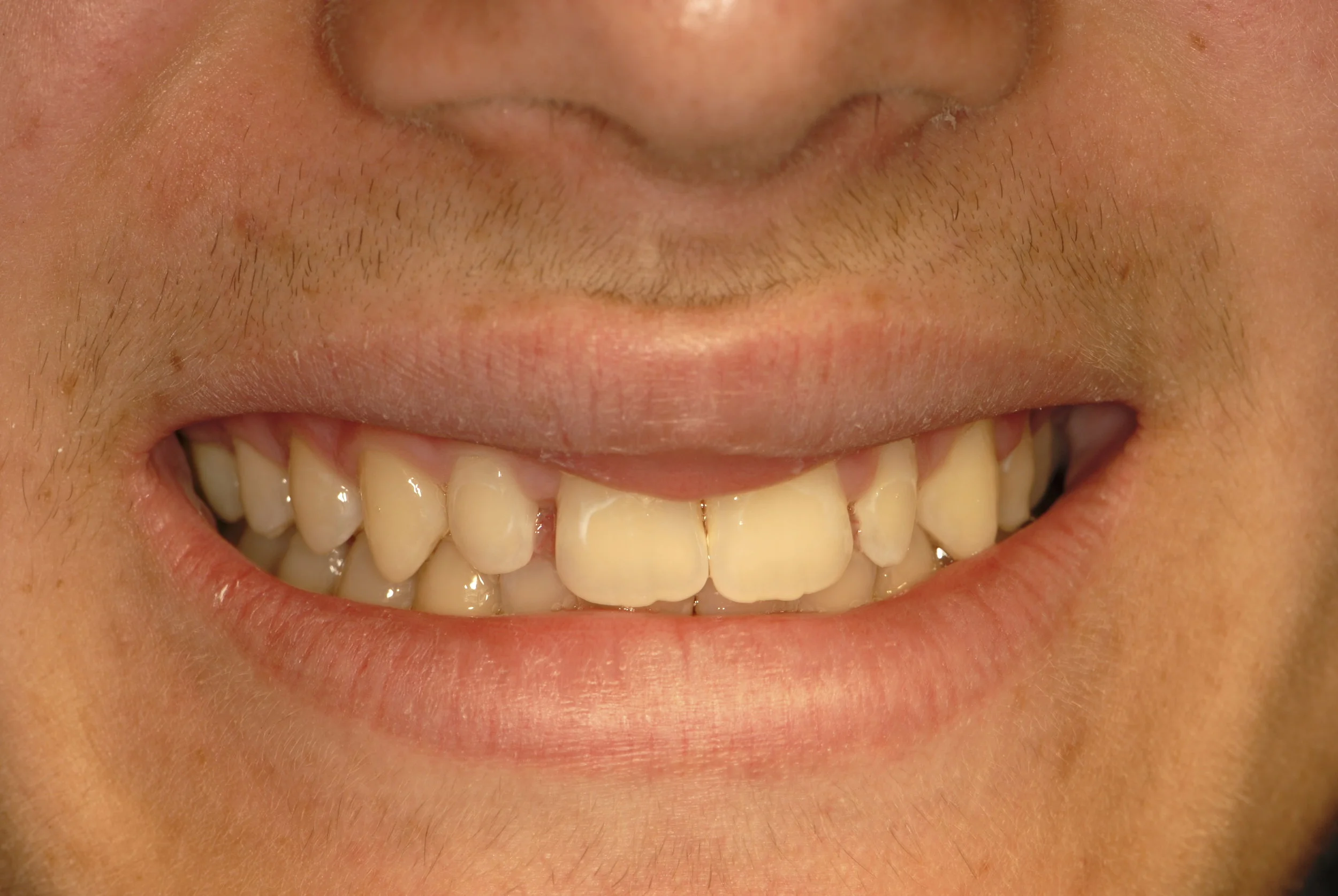
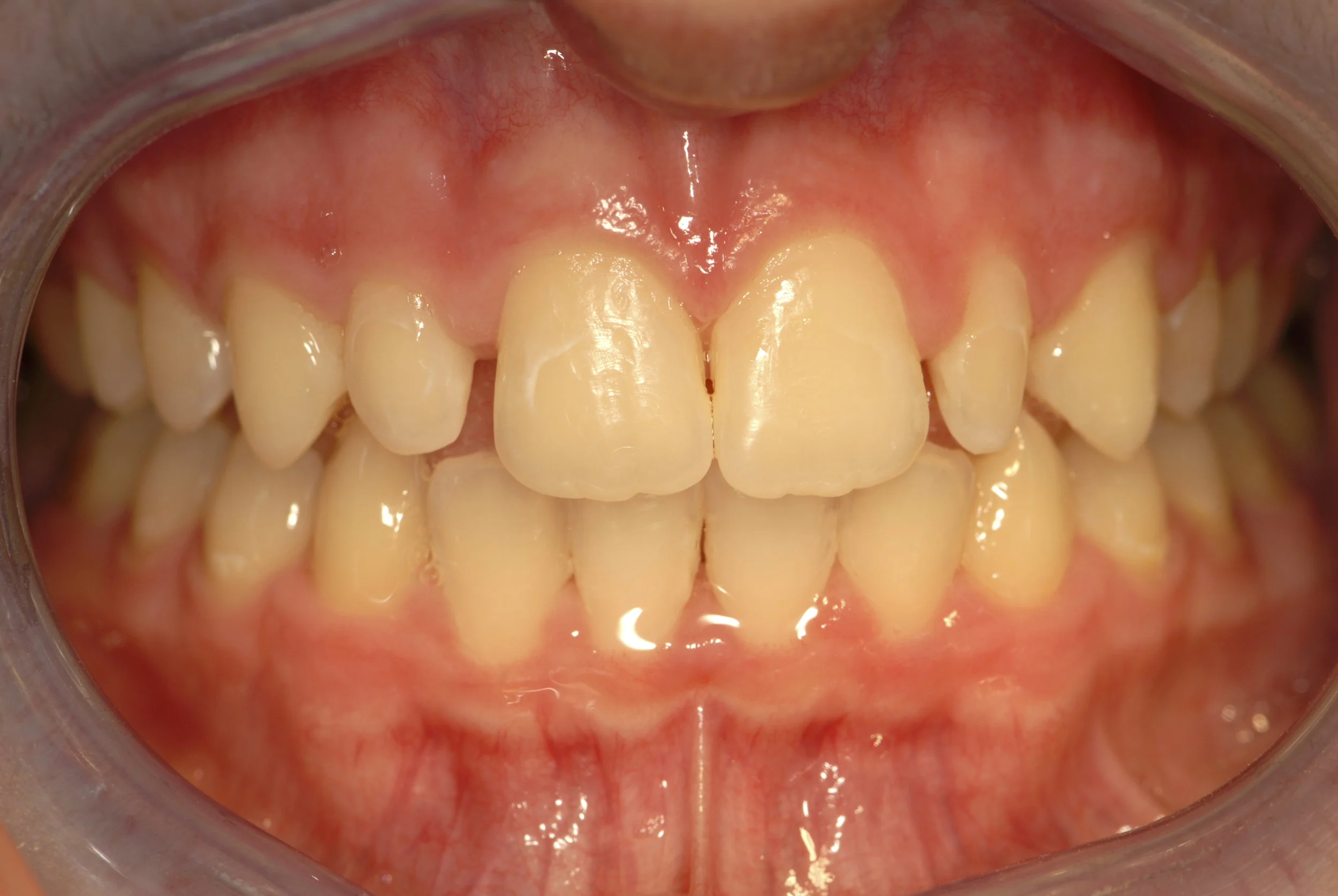
Porcelain veneers are thin shells of ceramic that bond directly to the front surfaces of the teeth. They have become increasingly popular due to their simplicity and versatility.
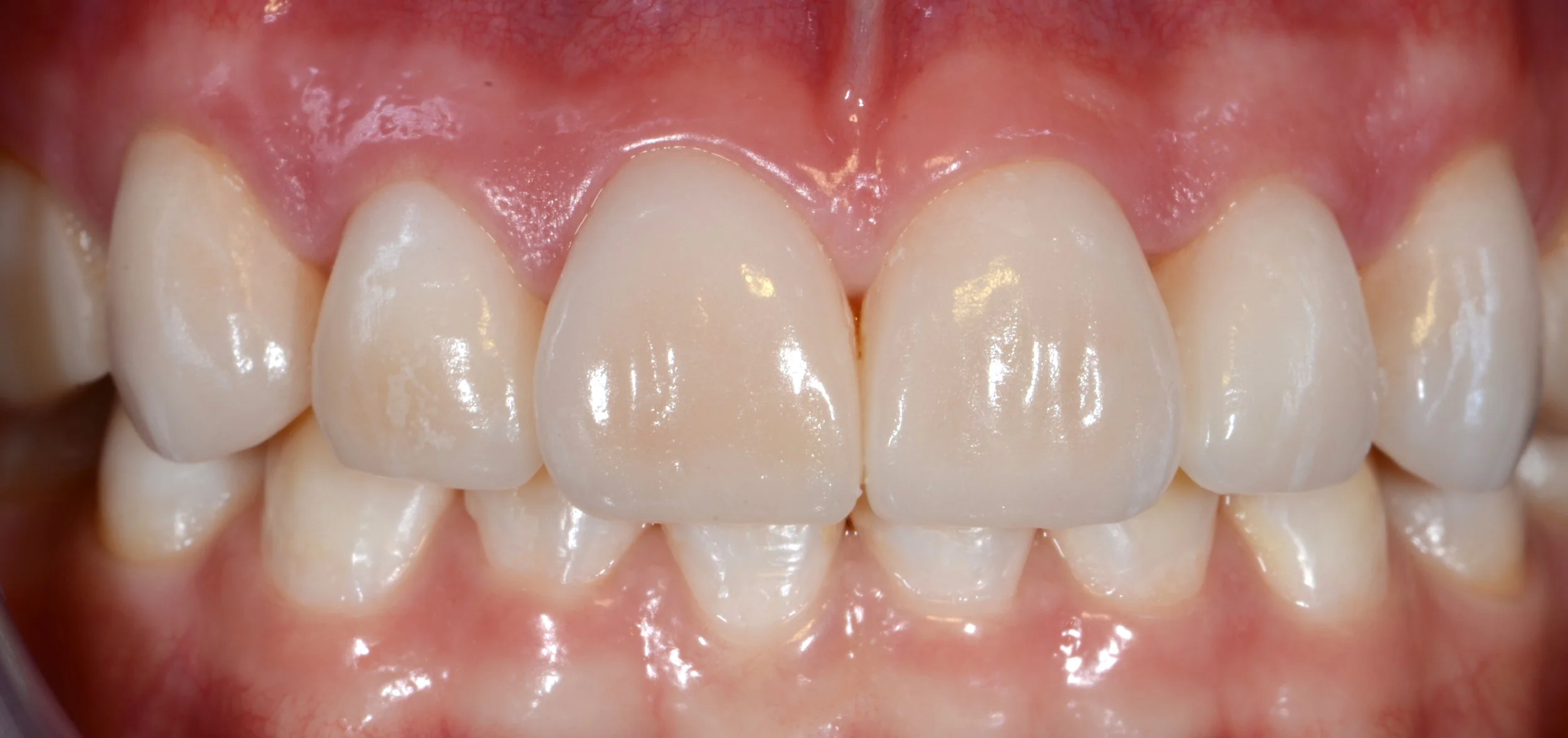
Porcelain Veneers
Will they look like normal teeth?
When bonded to the teeth, the ultra-thin porcelain veneers are virtually undetectable and highly resistant to coffee, tea, or even cigarette stains. For strength and appearance, their resemblance to healthy, white tooth enamel is unsurpassed by other restorative options.
How durable are porcelain veneers?
With proper care, porcelain veneers will brighten your smile for years to come.
Dr. Progebin will ensure that your veneers are crafted from the highest quality porcelain and are bonded with the most advanced and proven materials available.
Refraining from using your veneers as tools to open and cut things will prolong their life, and if accidental breakage or damage occurs, it is usually possible to replace only the veneer involved.
Samples: